

Valorant Beginner's Guide: Agent Selection and Strategies for New Players
 Gokhan Smithson•
Valorant Beginner's Guide: Agent Selection and Strategies for New Players
Valorant is a team-based tactical shooter developed by Riot Games. Combining CS:GO's precise shooting mechanics with Overwatch's hero-based gameplay, Valorant appeals to players of all ages and experience levels. In this guide, we'll cover suitable agent choices and basic strategies for players new to the game. This way, you'll be able to adapt more quickly and contribute more to your teams.
What is Valorant and How Do You Play It?
Valorant is a tactical shooter played five versus five. Two teams are divided into attackers and defenders, and each round ends with one team trying to plant and detonate a bomb (Spike) or the other team trying to stop the bomb. Players choose one of the agents, each with unique abilities, and try to create team synergy. This process offers a gaming experience that blends individual skills and teamwork.
Successfully playing Valorant requires a combination of agent abilities, aiming ability, and team strategies. Learning agent abilities and using them at the right time can change the course of the game. Each agent offers a different playstyle, bringing different approaches to the game.
Agent Selection for New Players
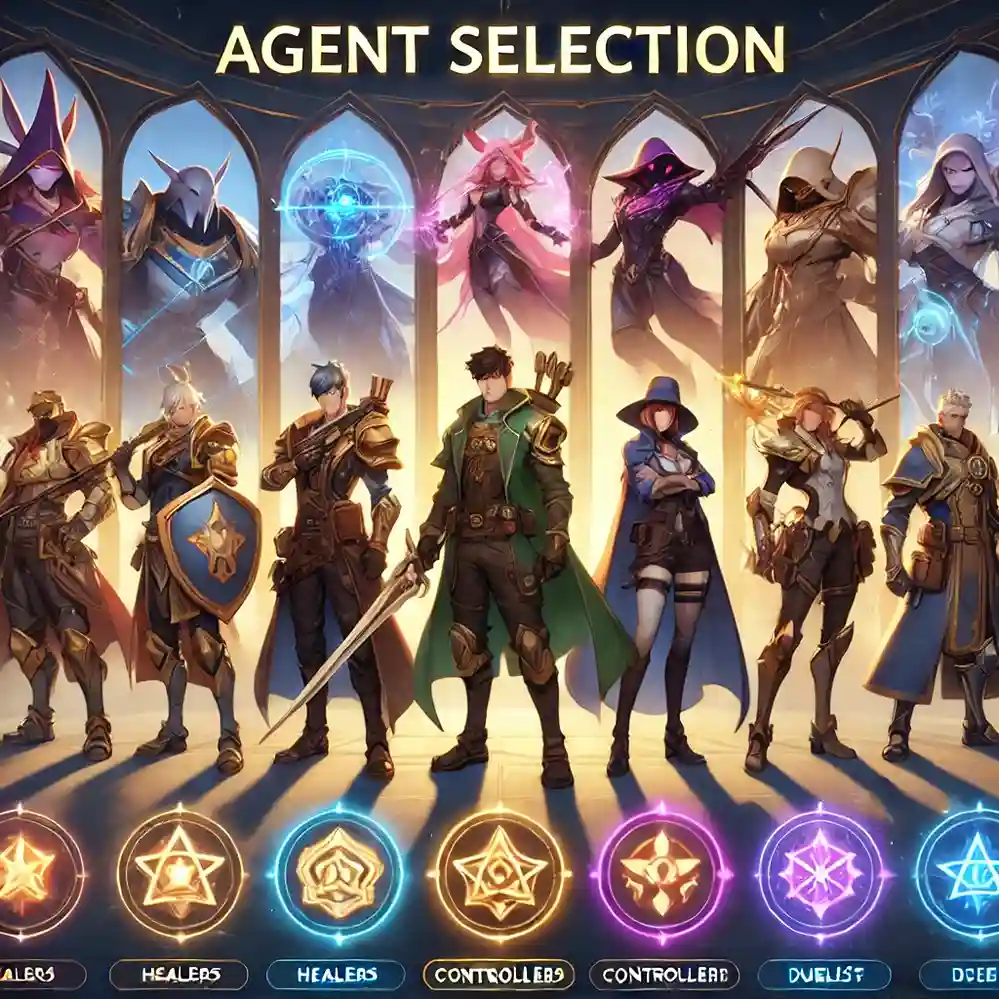
Choosing the right agent for a beginner is one of the most important elements of adapting quickly to the game. In Valorant, agents consist of different roles such as Duelist, Initiator, Sentinel, and Controller. Here are a few suggestions for new players:
1. Duelist: Phoenix
Phoenix is one of the most ideal duelists for new players trying to learn the game. Phoenix's abilities are quite simple and can be used both offensively and defensively. For example:
- Hot Hands (Q): Throws a fireball that damages enemies and heals Phoenix. This ability allows you to protect yourself in the line of fire.
- Curveball (E): A flashball that bounces off a corner or wall, temporarily blinding enemies. This is very useful for clearing rooms or surprising enemies.
Phoenix, especially with his self-healing ability (Hot Hands) and ultimate (Run It Back), gives new players the chance to make mistakes and recover from them. This makes the game experience less stressful and more educational.
2. Sentinel: Sage

Sage is a great sentinel for new players because she offers more control and support in the game. Sage can heal teammates, block areas with walls, and slow down enemy movements:
- Healing Orb (E): Heals a teammate or yourself, increasing your survival rate.
- Barrier Orb (C): Creates a wall to block off certain areas and temporarily stop enemies.
Playing Sage gives new players the opportunity to explore the strategic depth of the game and learn how to help their teammates.
3. Controller: Brimstone
Brimstone is an excellent choice for understanding the core control mechanics of the game with his simple yet effective abilities. His smoke abilities provide an advantage to your team by limiting the enemy's vision:
- Sky Smoke (E): Deploys a smoke in a specific area to block enemy vision. This ability makes it easier for your team to attack or defend a specific area.
- Stim Beacon (C): Provides a fire rate bonus to teammates, ideal for quick pushes.
Brimstone offers a good agent for learning the deeper strategic aspects of the game with his strategic smoke placements and team support abilities.
Valorant Strategies: What to Consider at the Beginner Level
After learning the basic mechanics, it's important for new players to move on to strategic thinking. Here are a few strategies that will help you succeed in the game:
1. Map Knowledge and Positioning
Map knowledge is one of the key points in Valorant. Each map has its own unique hiding spots, open areas, and narrow passages. Being aware of these areas provides a great advantage both offensively and defensively.
- Map Learning: Players should learn the critical points of each map and work as a team to control these areas. For example, on the Haven map, the team may need to split effectively because there are three sites.
- Positioning: Taking careful positions while waiting for enemy advances protects you from surprise attacks. You can react faster to enemies by standing in corners or high ground. Additionally, using agent abilities to secure a safe position is quite effective. For example, using Brimstone's smokes to limit enemy vision can help you take a safer position against enemies.
2. Communication and Team Play
Good communication is crucial for victory in Valorant. Informing your teammates about the enemy's location and setting strategies ensures team success.
- Callouts: Learn the terms used for specific points on the map and provide accurate information to your teammates. For example, using callouts like "A Long" or "B Site" to indicate where the enemy is allows your team to respond appropriately.
- Ability Coordination: Coordinating agent abilities correctly is important for defending or taking a site. For example, after Brimstone's smokes are deployed, Phoenix's flash can make it easier to clear an area.
3. Economy Management
Players should consider the team's budget and current equipment at the start of each round. Economy management directly affects your effectiveness in a round with weapon and armor purchases.
Eco Rounds
If your team's budget is low, you should play an eco round by saving money for the next round. In these rounds, you only buy cheap weapons or pistols to maintain the team's economic balance.
Buy Rounds
When you have enough money, you should start the round with full equipment (weapons, armor, and abilities). These rounds allow your team to have a greater advantage over the opponent.
4. Team Roles and Synergy
Having a balanced set of roles within the team is very important in Valorant. For a team to be successful, different roles must work together.
- Agent Synergy: To have a balanced composition, the harmony of controllers, sentinels, and duelists must be ensured. For example, an initiator like Sova can reveal enemy locations, allowing duelists to quickly take control of an area.
- Crossfire and Intersection Points: During defense, it's important for the team to watch the enemy from multiple angles. Creating crossfire points prevents enemies from advancing and puts them under pressure. This way, teammates can support each other and limit the enemy's position.
5. Tips for Training and Improvement
The key to success in Valorant is constant learning and improvement. Here are some suggestions:
- Use the Practice Mode: Use Valorant's practice mode to improve your aim skills. You can increase your reaction time and accuracy by shooting at targets moving at different speeds.
- Watch Replays: By watching replays of your games, you can analyze your mistakes and what you did well. This is especially useful for improving your strategic thinking in competitive games.